How Fair is Sugar’s Water Footprint in Malawi?
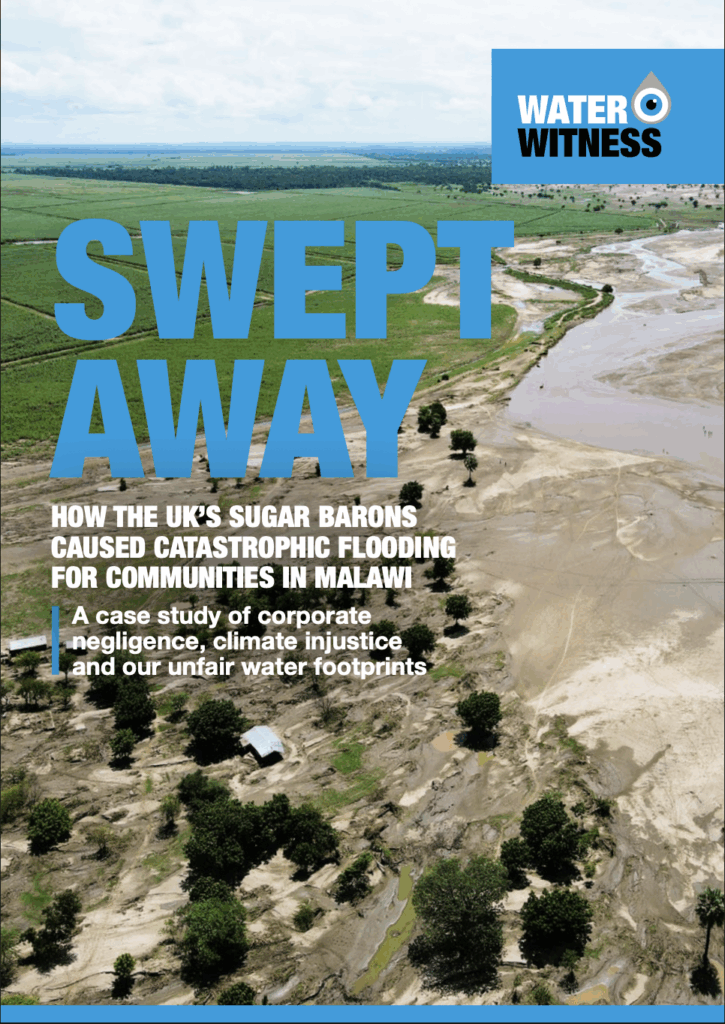
Sugar is a globally traded commodity and an essential ingredient in many everyday products, from food and beverages to household staples. In Malawi, sugar production plays an important role in the national economy and in local employment, with large estates supplying both domestic and international markets. This report explores the fairness of water use and […]
Summary Report: How fair is chocolate’s water footprint?
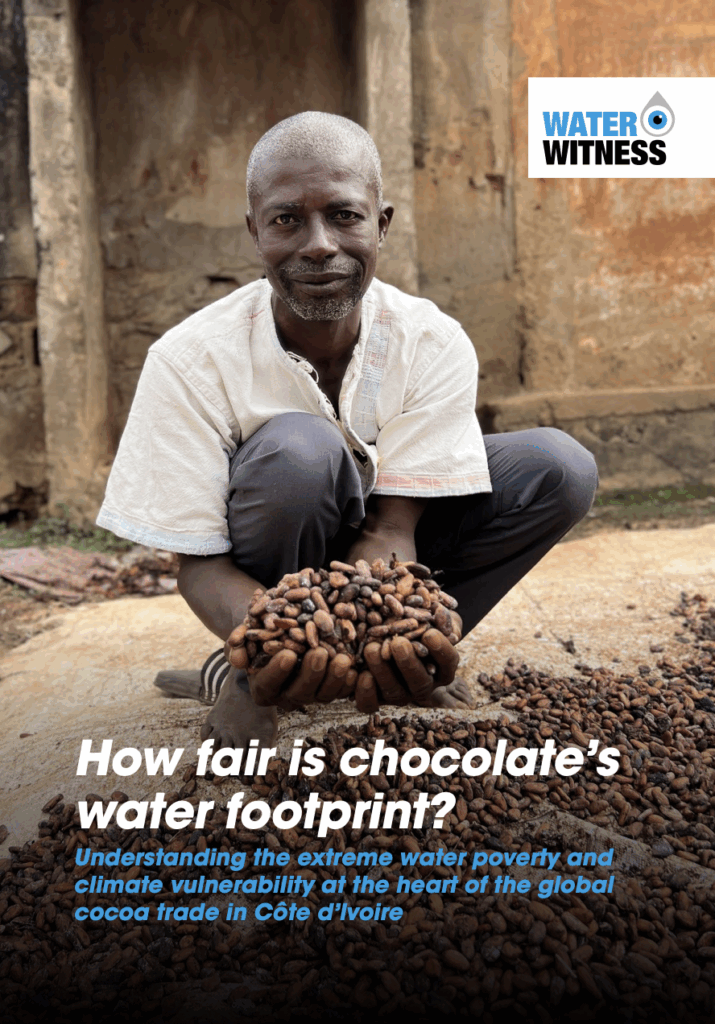
How fair is chocolate’s water footprint? Understanding the extreme water poverty and climate vulnerability at the heart of the global cocoa trade in Côte d’lvoire Côte d’Ivoire is the world’s largest producer of cocoa, supplying beans that are used in many of the world’s best-known chocolate brands. Millions of smallholder farmers depend on cocoa production […]
New evidence, new opportunities: a water stewardship scenius thinkshop
Using the Brian Eno ‘scenius’ concept of going beyond individual genius to gain the ideas and creativity of a group, Water Witness International brought together civil society, government and business people in a thinkshop, to discuss ways to increase collective action around water stewardship.
Water stewardship – the critical need to account for water use and enable access for all
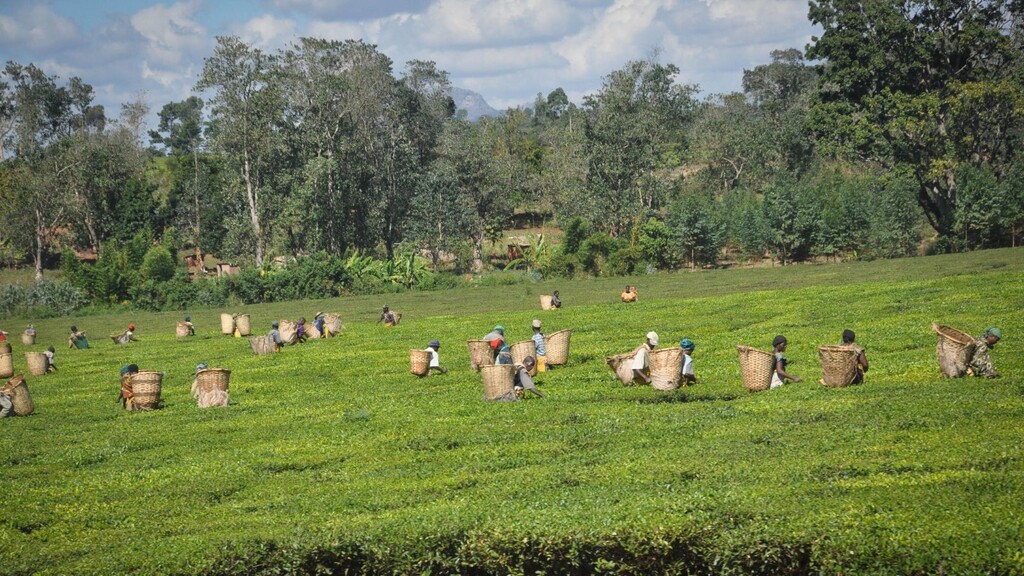
Malawi leads the way in prioritising strong water stewardship. From government policies on water and sanitation to tea farmers changing their practice, the country is working towards sustainable and equitable use of water resources.
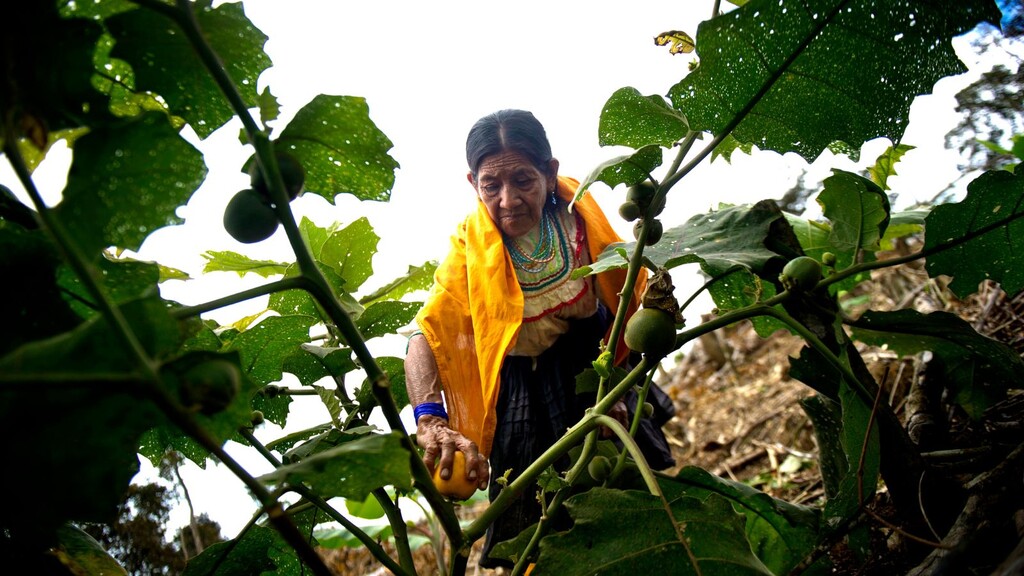
How Fair is our Water Footprint in Peru?
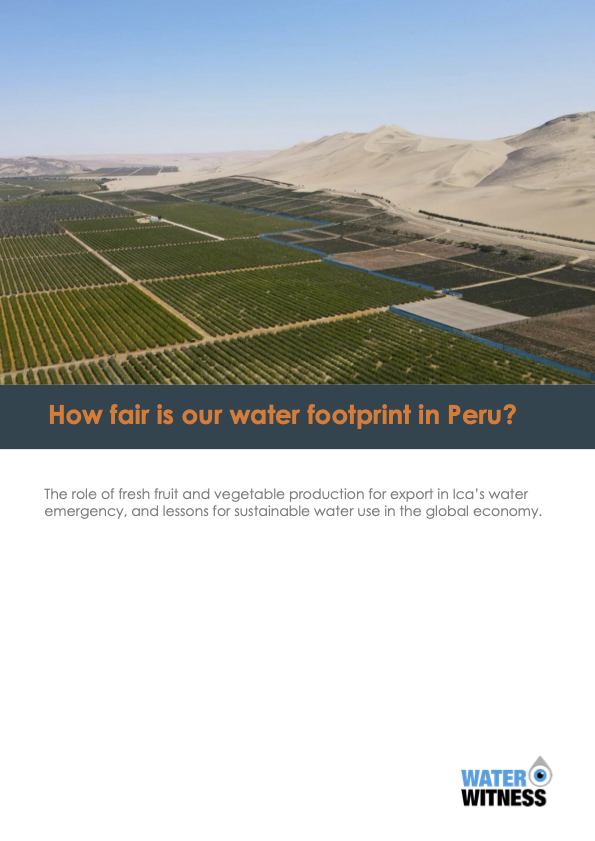
The global production of fresh fruit and vegetables for supermarkets is underpinned by multiple governance failures, leading to unsustainable and inequitable water use. This results in severe impacts including violations of the human right to water, ecosystem degradation, water conflict, and increased climate and food insecurity. Addressing these issues requires urgent, coordinated, and transformative action […]